Understanding the Differences Between Sheet Metal and Flexible Ducts
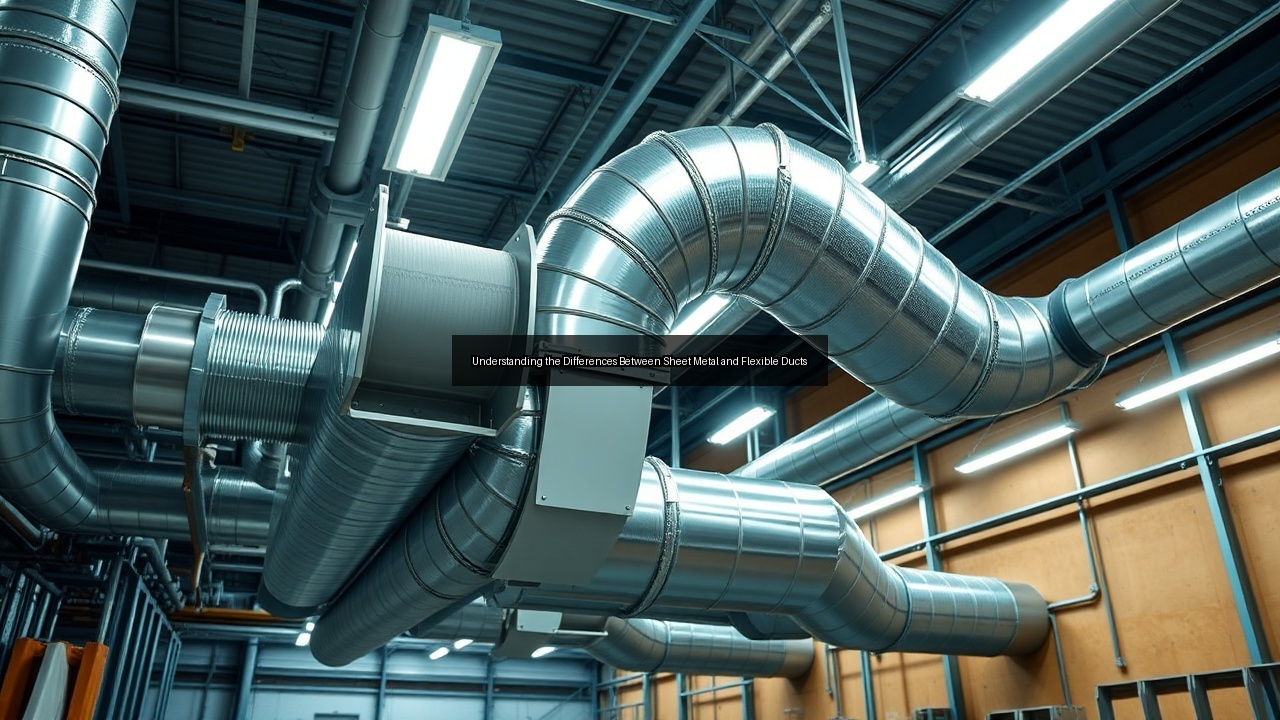
Introduction to Ductwork Fabrication
Overview of Duct Systems
Duct systems play a crucial role in ensuring an efficient HVAC system. These networks transport air from heating and cooling units throughout residential and commercial spaces. A well-designed ductwork system provides comfort by maintaining consistent temperatures and air quality. Proper duct design minimizes energy waste and enhances overall system performance. Understanding the components and functionality of ductwork systems helps in making informed choices about installation, maintenance, and upgrades.
Importance of Ductwork in HVAC
Ductwork serves as the circulatory system of HVAC systems, facilitating the movement of heated or cooled air. Proper ductwork design ensures optimal airflow, which directly affects energy efficiency. Poorly designed ducts can lead to significant energy loss, resulting in higher utility bills and inconsistent temperatures. Maintenance of these air ducts is essential for preventing obstructions caused by dust and debris, which impede airflow and reduce system efficiency. Regular inspections and cleanings ensure that duct systems operate as intended, promoting longevity and performance of HVAC systems.
Types of Ducts Used in HVAC
Various types of ducts are employed in HVAC systems, each serving specific needs. The two primary categories include sheet metal ducts and flexible ducts. Sheet metal ducts are typically constructed from galvanized steel or aluminum, offering durability and a rigid structure. Flexible ducts, on the other hand, consist of a flexible inner core covered by insulation and an outer layer, allowing for easier installation in tight or awkward spaces. Understanding the strengths and weaknesses of different duct types is vital for achieving optimal performance and efficiency in HVAC applications.
Sheet Metal Ducts vs. Flexible Ducts
Material Composition and Durability
Material composition significantly influences the performance and longevity of ducts. Sheet metal ducts are crafted from sturdy materials like galvanized steel or aluminum, making them resistant to corrosion and damage. This durability allows them to withstand high-pressure airflow and extreme temperatures, ensuring they remain effective over time. Flexible ducts, however, consist of a wire coil surrounded by insulated fabric, making them lighter and easier to maneuver. While they may be convenient for installations in tight spaces, their material can be more susceptible to tears and punctures, potentially compromising airflow. Choosing the right material based on the specific application and environmental conditions is essential for achieving optimal ductwork performance.
Installation Process and Flexibility
The installation process varies significantly between sheet metal and flexible ducts. Sheet metal ducts require precise measurements, cutting, and assembly, often necessitating skilled labor for effective installation. This process can be time-consuming and may involve additional support structures to maintain the ducts’ integrity. Flexible ducts, in contrast, offer a quicker and easier installation process. Their lightweight nature allows installers to navigate around obstacles and fit them into tight spaces without extensive modifications. However, improper installation of flexible ducts can lead to kinks or bends that disrupt airflow. Evaluating the installation environment and complexity helps determine the most suitable duct type for a given HVAC system.
Airflow Efficiency and Performance
Airflow efficiency directly impacts the overall performance of HVAC systems. Sheet metal ducts excel in providing smooth, consistent airflow due to their rigid structure and minimal resistance. This quality enhances energy efficiency, as less energy is required to move air through these ducts. Flexible ducts, while convenient, can lead to airflow issues if not installed correctly. Kinks, bends, and excessive lengths can restrict airflow and reduce system efficiency. Conducting airflow calculations during the design phase ensures that the chosen duct type meets the necessary performance standards, maintaining optimal comfort levels throughout the space.
Fabrication Process of Ducts
Manufacturing Techniques for Sheet Metal Ductwork
The fabrication process for sheet metal ductwork involves several manufacturing techniques aimed at creating precise and durable ducts. Techniques include plasma cutting, laser cutting, and shearing, which ensure accurate dimensions. Once the sheet metal is cut, it undergoes bending and forming processes to create the desired shapes. Additionally, seam welding or fastening techniques are employed to assemble the ducts securely. Quality control during manufacturing is critical to ensure that the ducts meet industry standards for strength and performance. Investing in high-quality fabrication techniques ultimately leads to longer-lasting duct systems that perform efficiently within HVAC applications.
Flexible Duct Fabrication Methods
Flexible duct fabrication requires different methods compared to sheet metal ducts. The process begins with selecting a suitable inner core material, often made from a flexible plastic or metal. This core is then surrounded by an insulation layer, designed to reduce energy loss and maintain temperature. The outer layer, typically made from a durable fabric, protects the duct from external elements. Manufacturers must ensure that the connections between the inner core and outer layers are secure to prevent air leaks. The fabrication of flexible ducts emphasizes speed and versatility, making them an appealing option for various HVAC applications.
Use of Duct Calculators in Design
Duct calculators play an essential role in the ductwork fabrication process, helping designers determine the optimal size and configuration for ducts. These tools analyze factors such as airflow requirements, duct length, and system pressure to ensure that the chosen ducts will perform efficiently. By inputting parameters such as building dimensions and HVAC system specifications, designers can obtain accurate calculations to guide the selection of duct type, material, and layout. Utilizing duct calculators not only streamlines the design process but also enhances the overall performance of HVAC systems by ensuring that the ductwork is appropriately sized for the intended application.
Choosing the Right Ductwork for Your HVAC System
Factors to Consider: Length, Size, and Application
Selecting the right ductwork involves careful consideration of several factors, including length, size, and intended application. The length of the duct plays a vital role in airflow efficiency; longer ducts can lead to increased resistance and reduced performance. Proper sizing of ducts ensures adequate airflow to all areas of the space, preventing hot or cold spots. Additionally, the application of the ductwork, whether for residential or commercial use, influences material choice and design. Understanding specific needs and environmental conditions allows for a tailored ductwork solution that maximizes HVAC system efficiency and comfort.
Comparative Cost Analysis of Duct Types
Cost plays a significant role in the decision-making process for ductwork installation. Generally, sheet metal ducts tend to have a higher initial cost due to manufacturing and installation complexity. However, their durability and efficiency may result in lower long-term operational costs, making them a cost-effective option over time. Flexible ducts typically have lower upfront costs and a simpler installation process, appealing to budget-conscious projects. Conducting a comparative cost analysis helps stakeholders weigh the short-term savings against long-term performance and maintenance considerations, ensuring an informed decision about which duct type best fits their HVAC system.
Benefits of Professional Duct Fabrication Services
Engaging professional duct fabrication services offers numerous benefits that enhance the quality and performance of HVAC systems. Experienced fabricators understand the intricacies of duct design and are equipped with the necessary tools and expertise to produce high-quality ducts. They can provide tailored solutions based on specific requirements, ensuring optimal airflow and efficiency. Additionally, professional services often incorporate advanced manufacturing techniques and quality control measures, resulting in durable and reliable duct systems. Investing in expert ductwork fabrication not only streamlines the installation process but also contributes to the long-term success and efficiency of HVAC systems.
See Also
- Fabrication Techniques That Enhance Duct System Efficiency
- Innovative Duct Fabrication Methods to Improve Air Quality
- Streamlining the Duct Fabrication Process for Faster Turnarounds
- How to Optimize Your HVAC Duct Systems for Better Performance
- How Custom Ductwork Fabrication Can Transform Your Space